
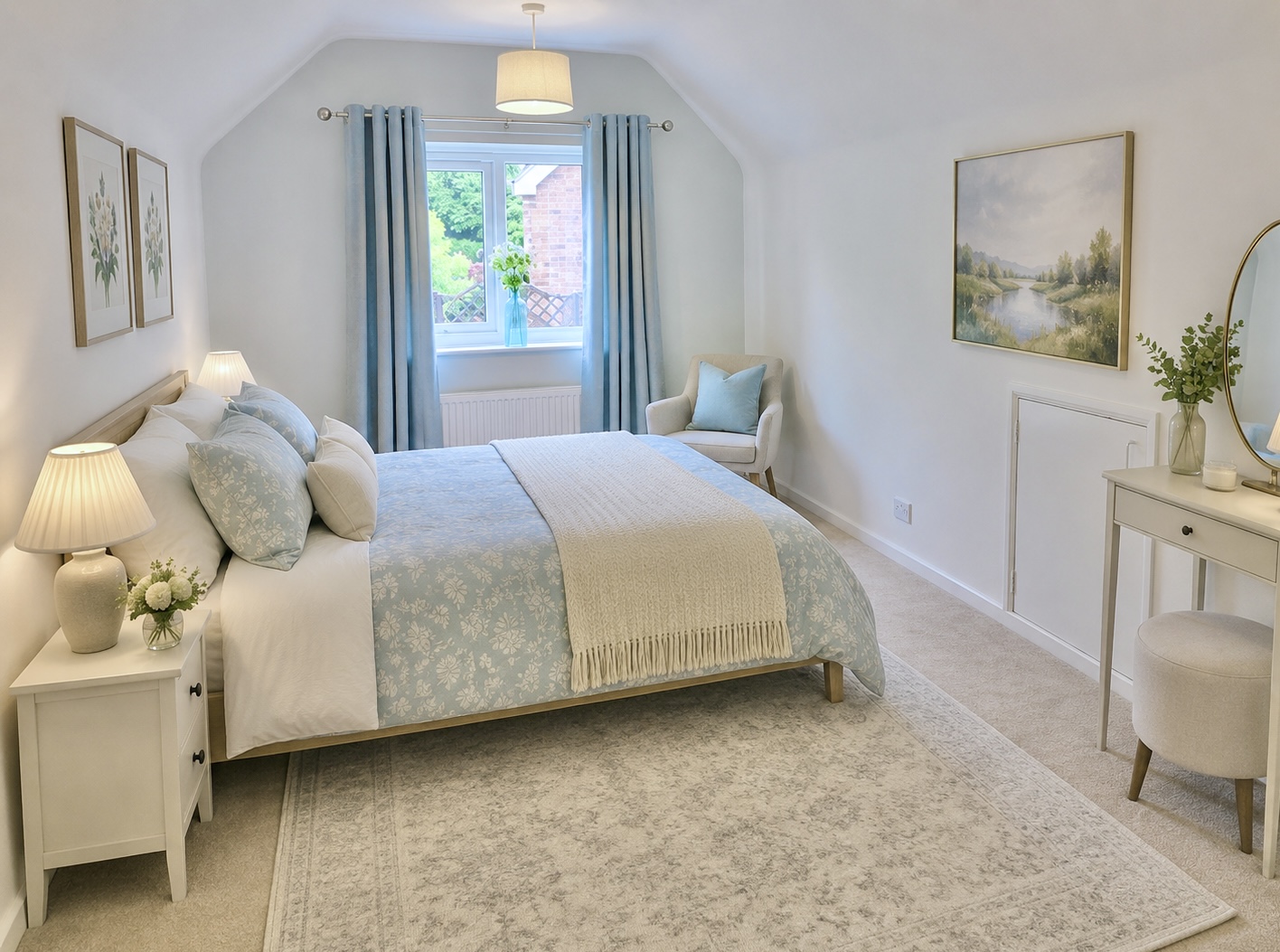
How does home staging work?
In today’s market, presentation isn’t about impressing buyers, it’s about reassuring them. Buyers scroll through dozens of properties online before booking a viewing. They compare quickly. When something feels unclear, cluttered or awkward, they hesitate. They sense work to be done, and work translates into risk.
Home staging reduces that risk. When a home feels straightforward and well cared for, buyers relax and make stronger offers. Homes that feel confusing tend to invite negotiation. In today’s market, the difference between a listing that stalls and a sale that moves quickly is often just a professional pair of eyes and a clear plan.
Why prepare your home for sale?
If you’re preparing to sell, the first question is usually whether you should consider home staging to prepare it for sale. The facts speak for themselves… recent UK property data from 2024–2025 shows that staged homes achieve 8–10% higher sale prices on average, without extending, renovating, or upgrading kitchens. AND they typically sell in around 24 days, compared with the national average of 69 days.
There is a clear split in the market:
- Well-prepared, aspirational homes sell quickly — often within days and sometimes above asking price.
- The average, lived-in homes linger online, then suffer price reductions of 5–10% just to regain interest.
And perhaps most importantly, preparation protects your asking price:
- Only 9% of prepared homes need a price reduction
- 46% of unprepared, lived-in homes do
Home staging for empty properties vs lived-in homes
If a property is vacant, staging is relatively straightforward. There are many UK companies who offer furniture rental packages for empty homes. They install beds, sofas and artwork to give scale and warmth to otherwise blank rooms. Packages typically cost £2,000–£6,000 per month, and it’s effective because there’s nothing to work around.
But most sellers are still living in their homes, and if you’re selling a home you’re still living in, staging feels more complicated. You can’t just remove everything and start again. Life is still happening. Storage is still needed. The dog still needs a bed. The children still do their homework on the table.
And yet, buyers expect calm, clear and beautifully presented spaces when they scroll online. So, home staging for lived-in homes has to be more strategic.
Three approaches to staging a lived-in home
There isn’t just one way to prepare a lived-in property. There are three common approaches.
Some choose in-person staging support. A professional visits, moves furniture, removes excess items and prepares the property physically for photography. It can work very well, particularly in high-value markets, but it often involves higher costs and repeat visits to set the standards and maintain them.
Others consider virtual staging. This digitally adds furniture to photos of empty rooms. It can also remove clutter and change wall colours etc. It can help buyers visualise scale, but it doesn’t change the physical property itself. Viewings still reveal the reality, so it works best for vacant homes rather than lived-in ones.
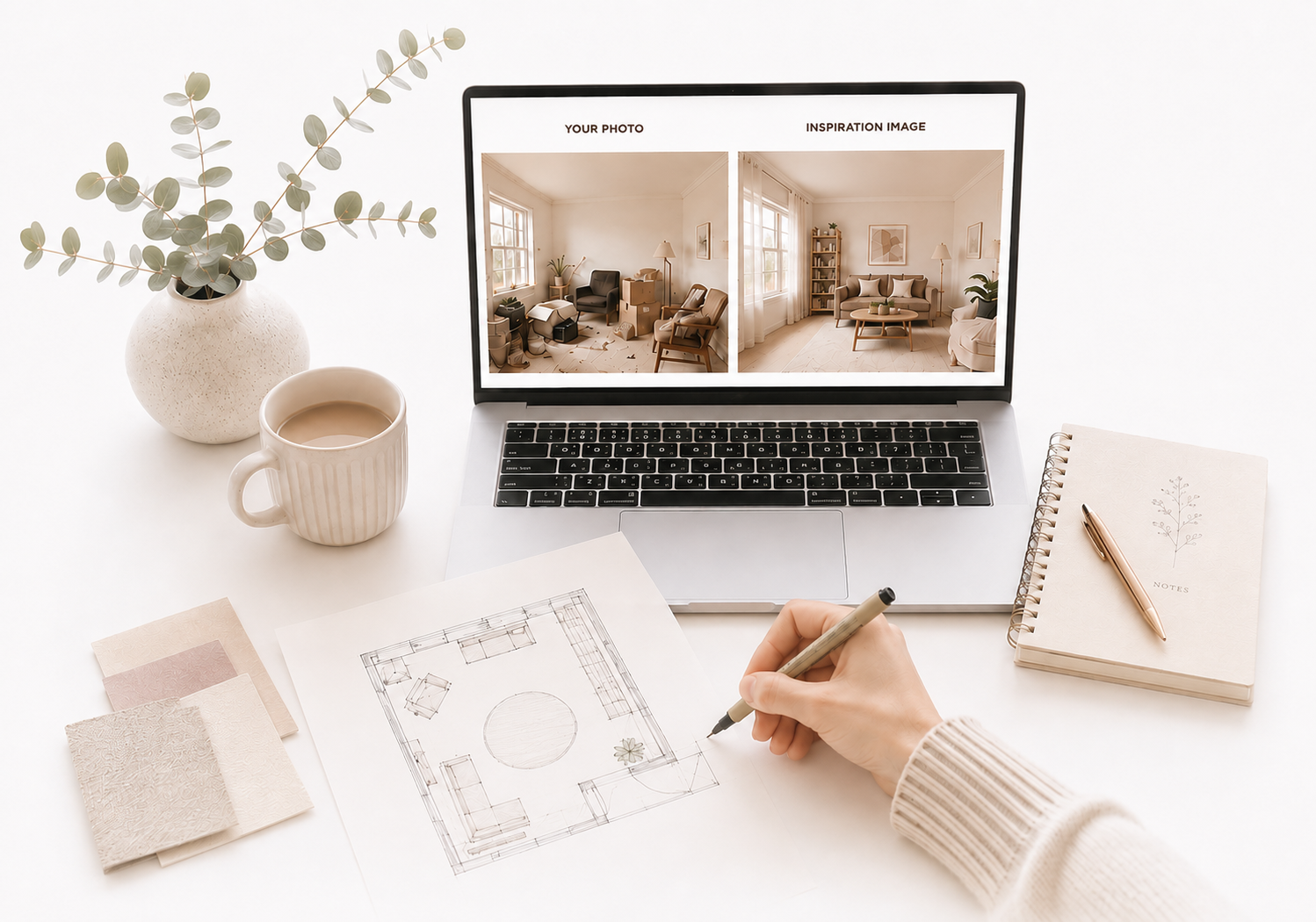
Then there is home staging coaching for lived-in homes. Coaching sits in the middle of the other two options. Instead of removing everything or digitally masking the space, you work strategically with what you already own, with the guidance of a coach. You receive clear, room-by-room guidance on what to move, what to simplify, what to store and how to improve layout and flow. It’s practical and realistic because you’re still living there.
And importantly, you understand why you’re making each change. That means you can maintain the look between viewings without needing someone to return every week. My home staging Consultations can be online, or in-person if you are in the south-west UK.
Why coaching suits today’s UK market
Most homeowners don’t want – or need – a full staging installation for a home they are living in. They need clarity. A plan. An impartial professional eye to help them emotionally detach just enough to present the home strategically, not sentimentally.
Home staging coaching allows sellers across the UK to access professional guidance and it works as much as possible with what you already own — refining layouts, editing furniture, and improving flow — rather than stripping everything out. It focuses on layout, balance and buyer psychology rather than surface styling alone. The result feels polished, not artificial.
And because you understand the reasoning behind each change, you can maintain the look between viewings with confidence. That’s particularly important in lived-in homes, where presentation needs to be sustainable, not just perfect for one day.
A practical, room-by-room plan for lived-in homes
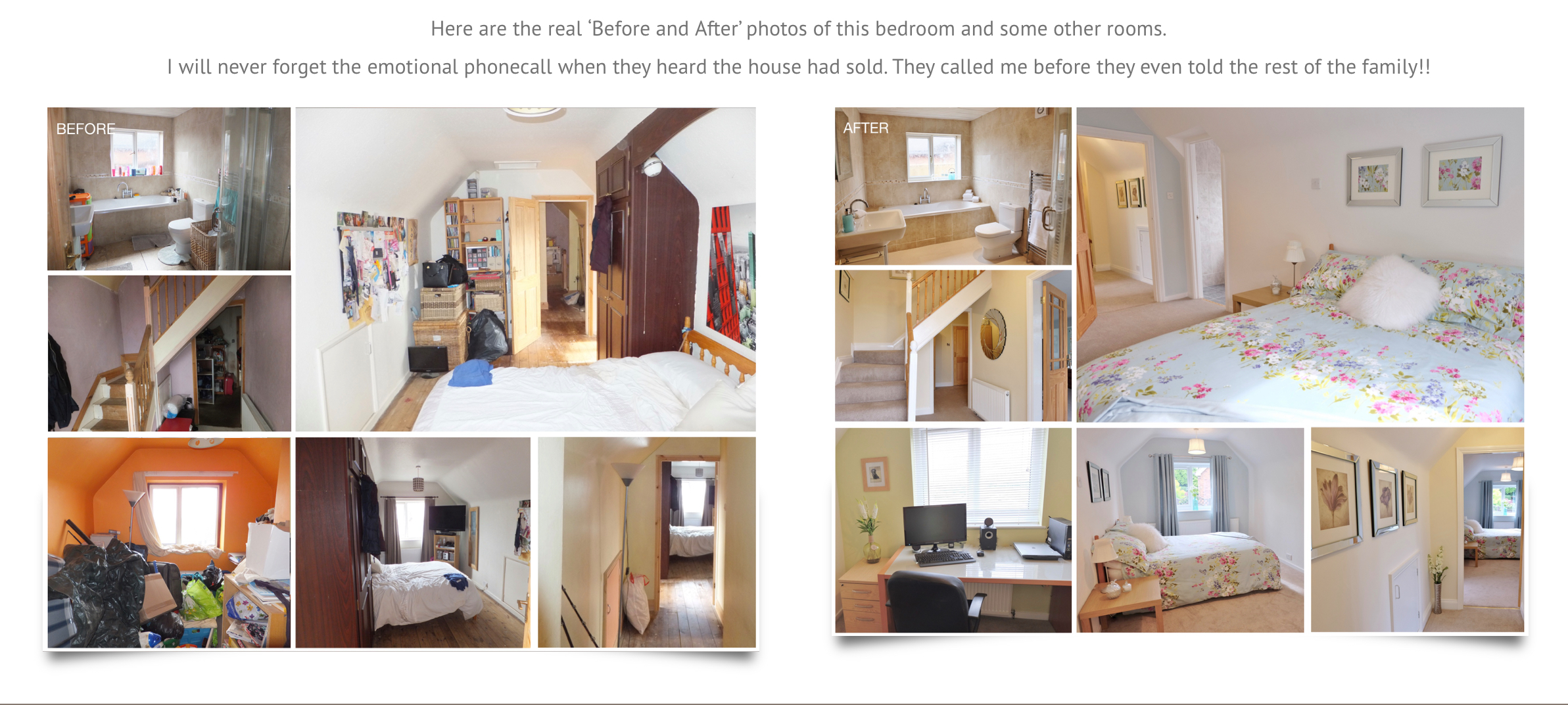
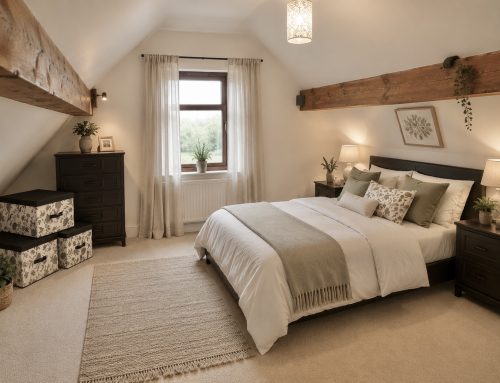
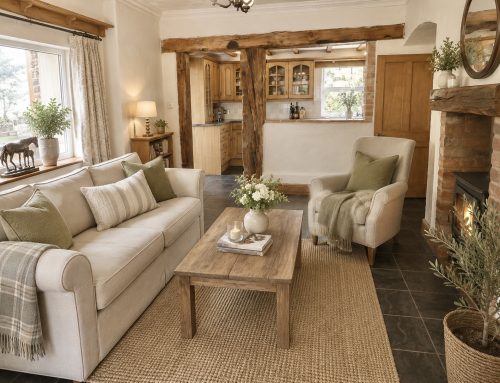
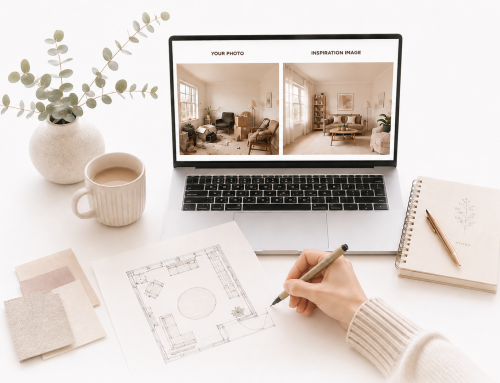
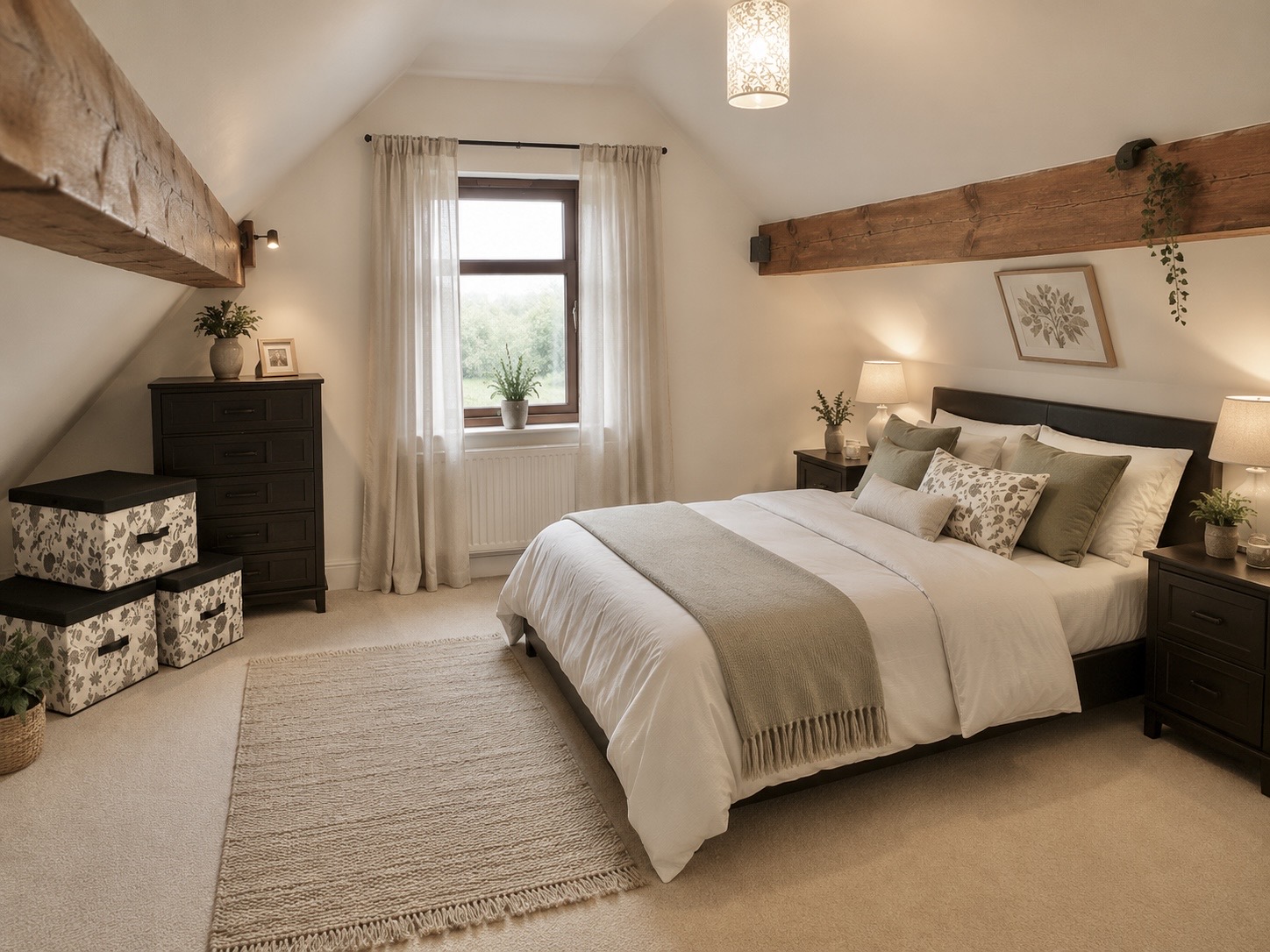
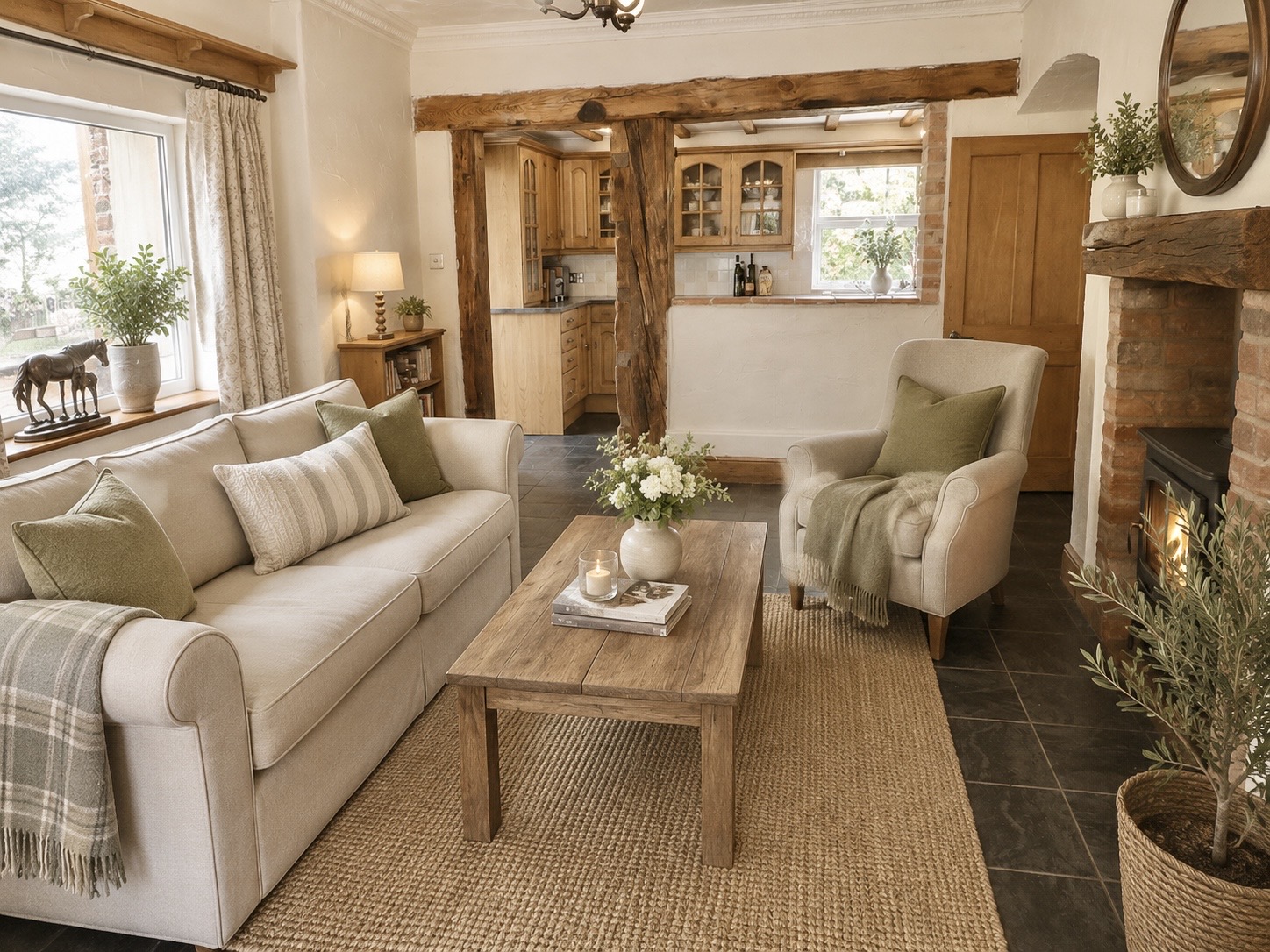
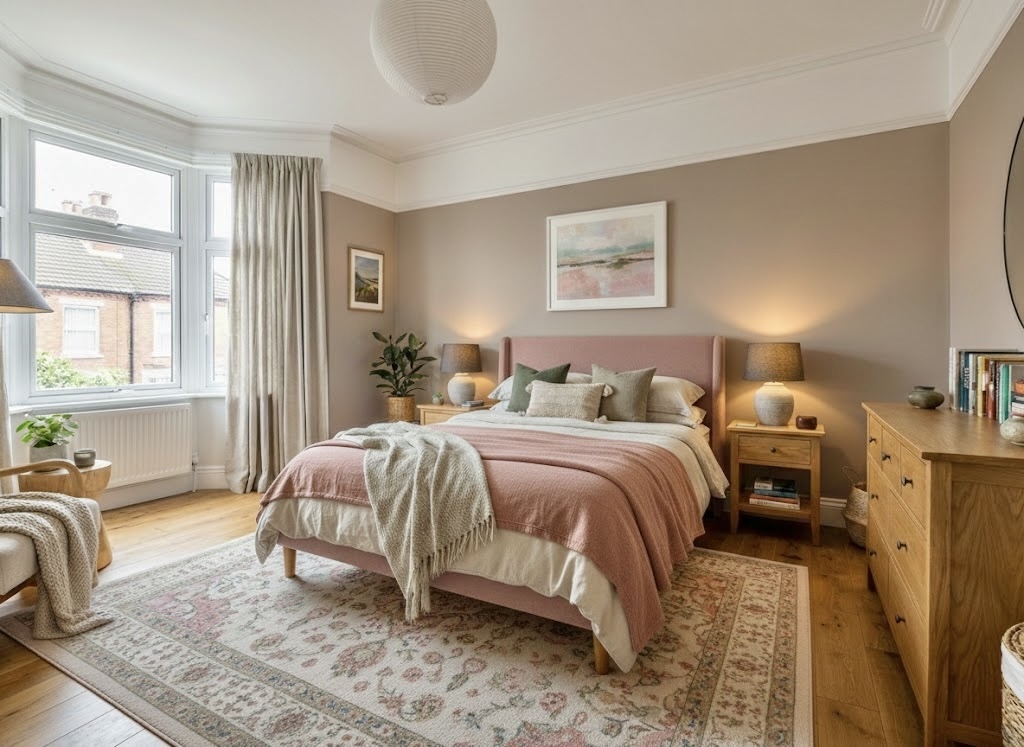
As a Home Makeover Coach, I specialise in lived-in home sale preparation. Each client receives a personalised plan, including an AI Inspiration Image of how a room will look, before they even start — specific, clear and realistic. The aim is not to create a show home. It’s to reveal the best version of the home you already have.
If you’re preparing to sell and want a calm, strategic approach to staging your lived-in home, you can book a consultation and receive your tailored plan – whether you just need help with one room or the whole house.
Staging a lived-in home isn’t about pretending no one lives there. It’s about presenting it in a way that helps the next owner see themselves living there.


Leave A Comment